
SBA Microloans: Who They Fit and How They Work
Key takeaways
An SBA microloan is a small loan, capped by SBA at $50,000, that a nonprofit intermediary makes with money it borrows from SBA, and the intermediary makes every credit decision and sets every term.
- SBA funds the intermediary. The intermediary is your lender.
- Equipment is on SBA’s list of uses, and the size limits are the catch for anything big.
- The rule puts the technical-assistance duty on the intermediary, so ask what yours expects of you.
- Two SBA pages print two different repayment limits.
The name says SBA. The lender is a local nonprofit that borrowed the money from SBA first, and it’s the one you’d be talking to.
- With an SBA microloan, settle two things first: who the lender is, and what they’ll let the money buy.
- Our guide to the SBA 7(a) loan covers the larger program that banks run. This covers the small end.
- Read on November 22nd, 2026: SBA’s microloans page, its lender page, and the federal regulation behind the program.
- Paramount Financial finances equipment and doesn’t make SBA loans, so weigh our view with that in mind.
How an SBA Microloan Works
An SBA microloan is a short-term loan with a fixed interest rate, made by an intermediary to an eligible small business. SBA lends to the intermediary. Under SBA’s rules, SBA does not review microloans for creditworthiness, so the intermediary’s own review is the one that counts.
$50,000
The ceiling SBA puts on a microloan. SBA puts the average microloan at about $13,000.
Source: U.S. Small Business Administration, Microloans, 2026
- SBA lends to the intermediary. 13 CFR 120.700 calls these direct and guaranteed loans.
- The intermediary lends to the business. SBA’s page says its approved lenders make all credit decisions and set all terms.
- Those lenders are “nonprofit community-based organizations with experience in lending as well as management and technical assistance.”
- SBA’s page lists the basics: an operating, for-profit business in the U.S. that is small under SBA’s size standards. Some nonprofit child care centers qualify too.
- Compare 7(a): a bank or another lender makes that loan, and SBA guarantees part of it.
- SBA’s lender page lists a 7(a) ceiling 100 times the microloan’s.
- Same agency. Different lender, and a much smaller check.
The Intermediary and Technical Assistance
- Who can be one: a private nonprofit, a quasi-public body, or a tribally owned entity, according to SBA’s lender page.
- What it has to show before it joins: at least one year issuing and servicing microloans, and one year of in-house marketing, management, and technical assistance for micro-level borrowers.
- What the rule says it does. 13 CFR 120.701 defines an intermediary as one that “makes and services Microloans” and “provides marketing, management, and technical assistance to its borrowers.”
- Who pays for the help? SBA does, through a grant to the intermediary under 13 CFR 120.712, and that grant can be spent only on marketing, management, and technical assistance.
- So where does the technical-assistance requirement sit? On the lender. The regulation requires the intermediary to provide the help and the grant exists to pay for it.
- We didn’t find a sentence in Subpart G of 13 CFR Part 120 that makes a borrower finish it.
- A given intermediary may still ask. Find out before you apply, and ask what the help would cost you in hours.

Who an SBA Microloan Fits
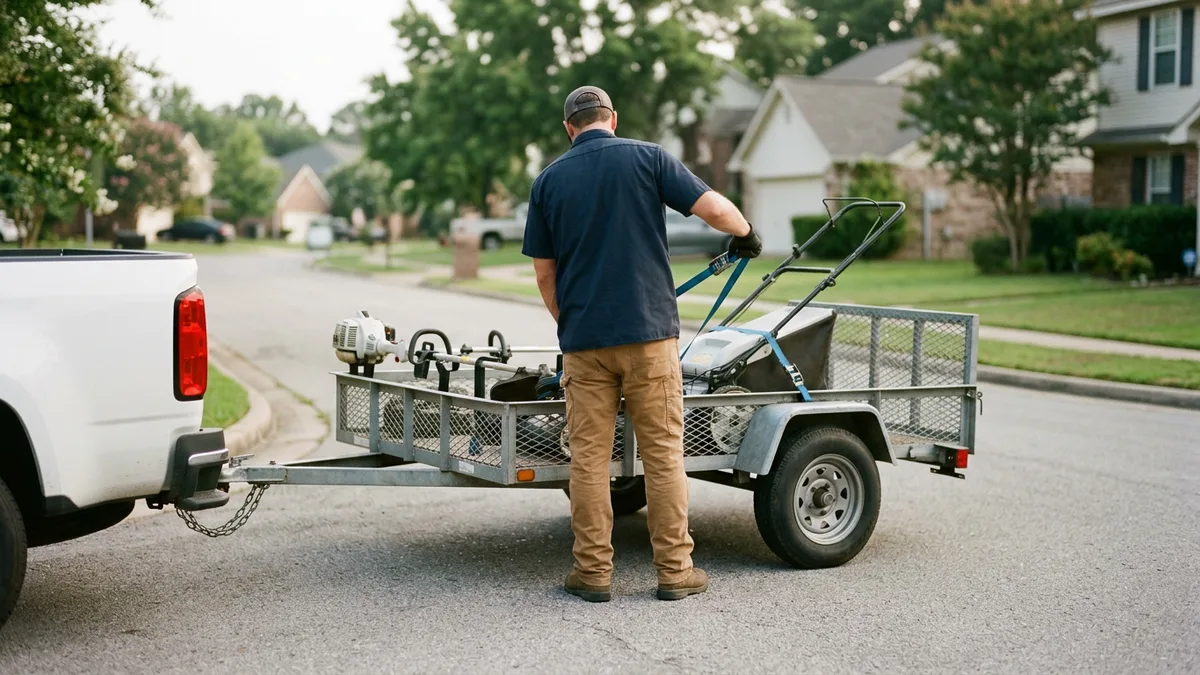
- Small purchases, such as a bench tool or a trailer hitch. An intermediary should generally not lend more than $10,000 to one borrower, so the loan suits a purchase of that size.
- A business that wants a lender who comes with coaching. That is the model’s whole pitch.
- An owner who can work with a nonprofit’s own process. Each intermediary sets its own, and SBA doesn’t read the file for credit.
- SBA’s page describes the program as help for small businesses to start up and expand. That describes the program. It isn’t a promise from any intermediary.
- It doesn’t fit three things. A machine that costs more than the loan limit, real estate, and paying off debt you already carry. SBA’s page rules out the last two by name.
- A young business weighing the options can start with our page on startup business loans, which compares equipment financing with working capital.
- How to build business credit covers the file any lender will read.
What a Microloan Can and Can’t Pay For
- SBA’s page lists working capital, inventory, supplies, furniture, fixtures, machinery, and equipment.
- It rules out existing debts and real estate.
- The regulation says working capital and “acquisition of materials, supplies, furniture, fixtures, and equipment.” Machinery is equipment, so the lists agree.
| Equipment financing | SBA microloan | |
|---|---|---|
| Pays for | The equipment named in the agreement | Working capital, supplies, fixtures, equipment |
| Decided by | The funder | The intermediary |
| Size limit | Set by the machine and the deal | $50,000, with lower steps |
| Extra help | Usually none | Technical assistance |
SBA Microloan Size and Term Limits
- $10,000. Under 13 CFR 120.707(b), an intermediary should generally not lend a borrower more than this.
- $20,000. Past it, the borrower has to show it can’t get credit elsewhere at comparable interest rates and has good prospects for success.
- $50,000. The hard cap. No microloan can be larger, and no borrower may owe an intermediary more than this at one time.
- Read the middle line twice. A business that could borrow elsewhere on comparable terms has a harder case to make for anything over $20,000.
- Then there’s the clock. The current regulation says each microloan must be repaid within seven years, while the program table on SBA’s lender page says no more than six, and both are SBA’s own pages. Ask which one applies.
- SBA also caps what an intermediary can charge, with a formula. It starts from the interest rate on the intermediary’s own SBA loan and adds a set number of percentage points, a larger addition on loans of $10,000 or less. The numbers belong in the intermediary’s quote, not here.
When a Single Machine Needs Something Else
- Quote above $50,000? A microloan alone can’t buy it. Full stop.
- Quote between $20,000 and $50,000? Ask the intermediary whether it lends that much, and what it wants to see on the credit-elsewhere test.
- Quote between $10,000 and $20,000? Ask where its own limit sits.
- Under $10,000? That’s the program’s guideline, and the closest fit.
- An equipment loan or lease is built around the machine itself. The equipment is typically what secures it, and the structure, whether a loan, a fair market value lease, or a $1 buyout lease, is picked for how long the machine will earn its keep. A microloan is a general small-business loan that happens to allow equipment. That’s the split.
- Our page on startup equipment financing covers the first route, and equipment financing next to an SBA loan covers how a separate financing sits beside one.
- Cash on hand, or a credit line you already hold, may cover a small purchase with no new lender at all, which is worth checking first, before you apply anywhere. Our list of SBA loan alternatives compares the other routes.
Questions Owners Ask About Microloans
So who actually lends the money, SBA or someone else?
A nonprofit intermediary does.
- SBA lends to the intermediary, and the intermediary lends to you.
- SBA’s page says its approved lenders make all credit decisions and set all terms, and the regulation adds that SBA doesn’t review microloans for creditworthiness.
Can a microloan buy a machine outright?
$50,000 is the most any microloan can be, and an intermediary’s guideline starts well below that, at $10,000.
- A machine that costs less than the limit can fit, since equipment is on SBA’s list of uses.
- Anything bigger needs another source.
Does a borrower have to complete the technical assistance?
The regulation puts the duty on the intermediary. 13 CFR 120.701 defines an intermediary as an entity that provides marketing, management, and technical assistance to its borrowers, and we found no rule in Subpart G that makes a borrower complete it.
- An intermediary may ask anyway.
- Get its expectations in writing before you apply.
Why do two SBA pages give different repayment limits?
Neither page says. 13 CFR 120.707(b) reads seven years, and the program table on SBA’s lender page reads six.
- Go by the term in the loan documents, and ask the intermediary which limit it applies.
Can a microloan pay off an existing equipment loan?
Not under SBA’s list of uses.
- Its microloans page says proceeds can’t be used to pay existing debts or to purchase real estate.
- If a payment is the problem, SBA loan alternatives compares other routes.
How is a microloan different from an SBA 7(a) loan?
Who lends is the biggest difference.
- A 7(a) loan comes from a bank or another lender with an SBA guaranty, and a microloan comes from a nonprofit intermediary that SBA funds.
- Size differs too.
- SBA’s lender page lists a 7(a) ceiling 100 times the microloan’s.
- How a 7(a) loan works covers the guaranty.
Where do you find an intermediary near you?
Not at a bank branch.
- SBA keeps a list of microlenders on its microloans page, sorted by state.
- Some entries cover several states, so a lender outside your state may still be an option, and the only way to know is to ask each one.
- Ask early.
Next Steps
If the machine costs more than a microloan can carry, start with startup equipment financing, then start an application. Want to talk first? Talk to our team.