
Last updated: November 23, 2026
Forklift Leasing: Lease Types, Terms and End-of-Lease Options
How forklift leases are structured, what the hour limits and return terms mean, and how each lease ends.
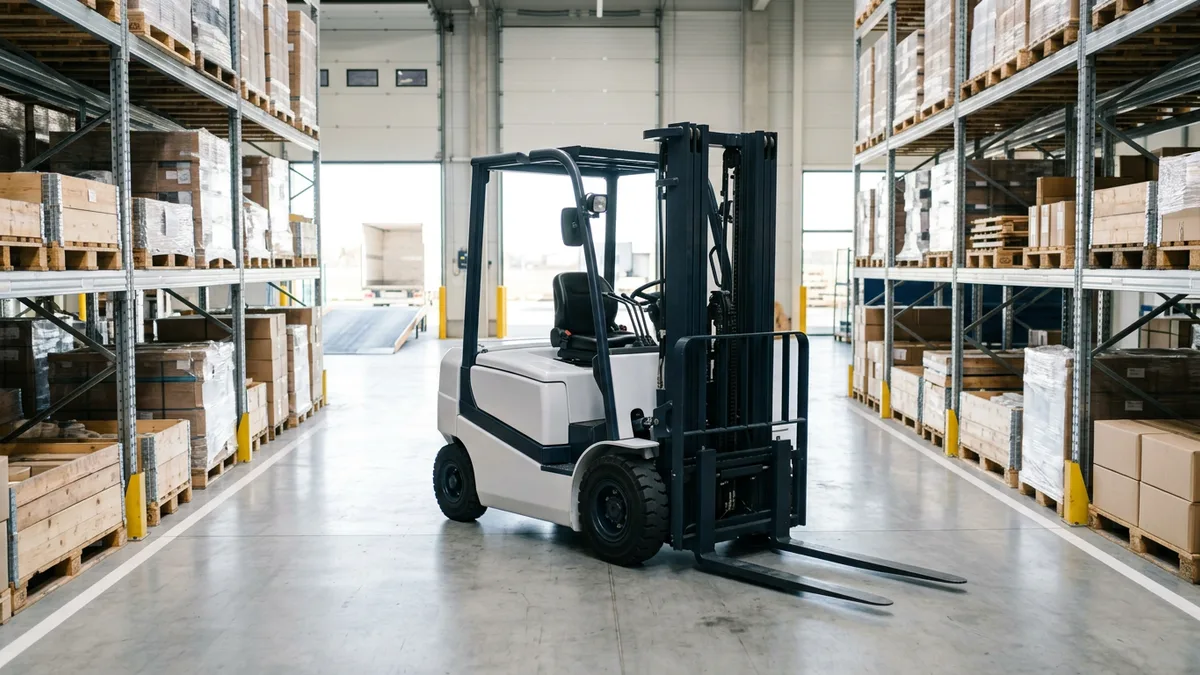
A forklift lease lets a business run a truck for a set term, then return it, renew, or buy it. A $1 buyout lease works differently: the business pays a token amount and keeps the truck.
Say a distribution center adds a second shift in March. The truck that ran one shift now runs two, and the hours its lease allows haven’t moved. That’s why owners rarely open a forklift lease with the monthly figure: hours come first, then the shape the truck has to come back in, then the ending, and each of the three gets settled in writing before the first payment is made.
This page sits under our equipment leasing guide and stays on forklifts. Buying instead? See forklift financing, or warehouse equipment financing for the building around it.
How a forklift lease works, term to term
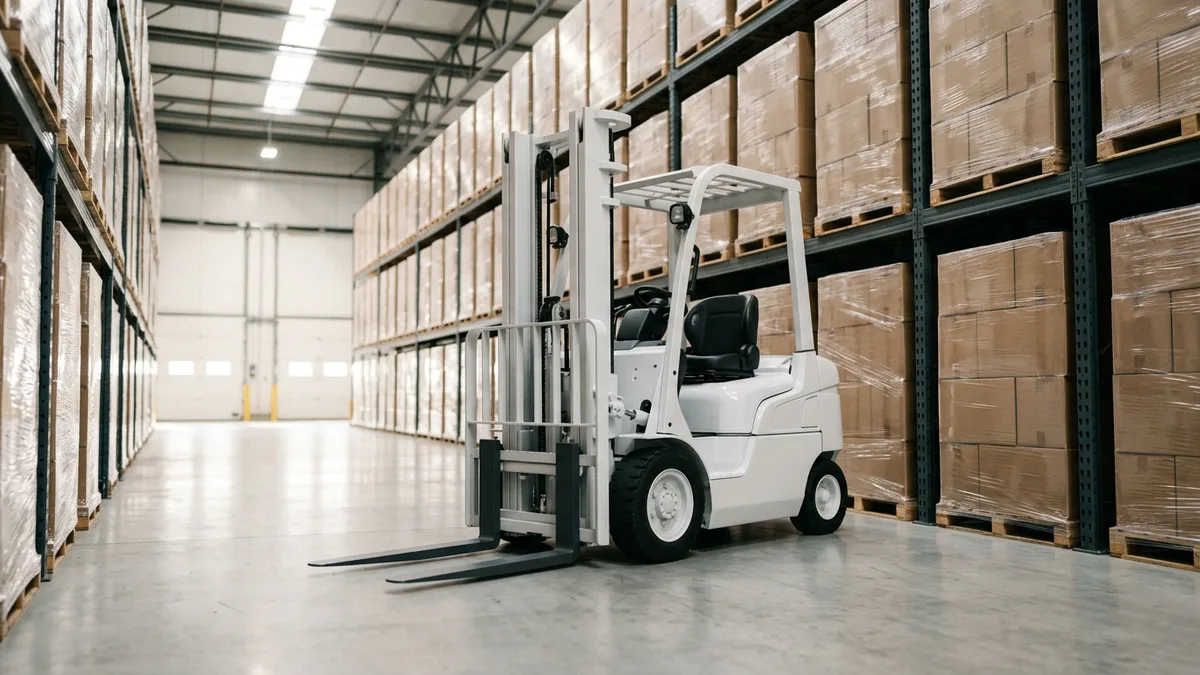
A forklift lease is a contract to use a lift truck for a fixed term. The lessor owns the truck, the business pays for the use of it, and the agreement sets the hours allowed, who services the truck, and how the term ends and what happens to the truck after that.
Hyster, a forklift maker, calls leasing a passive, yet very effective, form of fleet management, because a business can replace trucks as their upkeep climbs. The catch sits in the contract.
Hours, upkeep and the trip home
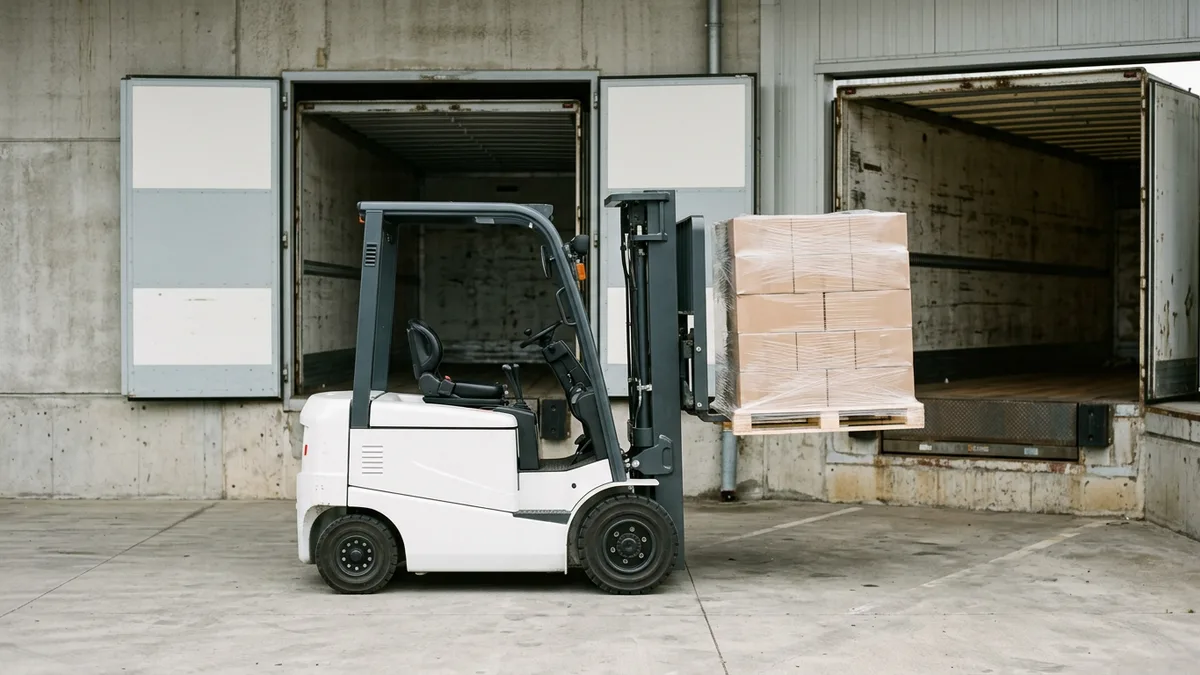
Three clauses deserve a slow read. Toyota Material Handling warns that over utilization can be costly, which puts the hour allowance first. Its guide adds that maintenance isn’t always included. Hyster counts freight to a designated return location among leasing’s greatest unforeseen expenses, so ask where the truck goes back and who pays the carrier before you sign anything at all.
All three live in the paperwork. Not on the quote. Our guides to end-of-lease options and the equipment lease agreement walk the four endings and the clauses to read first. Pricing the truck itself? See what a forklift costs.
Forklift lease types side by side
Same truck, four contracts. Who owns it, how it ends, and what to watch.
| The contract | Who owns the truck during the term | How the term ends | What to watch |
|---|---|---|---|
| True lease at fair market value | The lessor | Return it, renew it, or buy it at what it’s worth then | The hour allowance, the return condition and the freight home |
| $1 buyout lease (lease to own) | The business, in substance | Pay the token amount and keep the truck | Treated like a purchase, so upkeep and resale are yours |
| Rental purchase option | The rental company, until you buy | Buy the truck, with rent already paid credited if the contract says so | How much of the rent counts toward the price |
| Loan or equipment finance agreement | The business, from delivery | The last payment clears the lender’s lien | Hours, wear and resale value are all yours |
Lessors name these differently. Read the clauses, not the label. The long versions are in our fair market value lease, $1 buyout lease and operating lease versus finance lease guides, one structure each.
Forklift lease to own: when a lease is really a purchase
Say a plant leases a Toyota or Hyster truck with a $1 buyout at the end. The paper says lease. The law reads past the word on the front page.
Under UCC section 1-203, a lease the business can’t cancel creates a security interest, which makes it a purchase with a lien, when any one of these is true:
Nominal is the word that matters. A purchase price stated at fair market value when the option is exercised isn’t nominal under section 1-203(d). That lease stays a rental.
For tax year 2026, IRS Publication 946 sets the section 179 limit at $2,560,000, reduced once qualifying property placed in service tops $4,090,000. Leased property is another matter, because the same publication says that if you lease property for your business, you generally can’t depreciate its cost, since you don’t keep the incidents of ownership that come with owning the truck. Which side your agreement lands on is a tax question, so consult your tax advisor before you sign. Our guide to the tax treatment of leased equipment has more.
Forklift battery and operator rules in numbers
Battery cycle counts come from a forklift maker, so read them as ranges. The evaluation interval is OSHA’s.
Electric forklift lease: batteries, hours and the end of the term
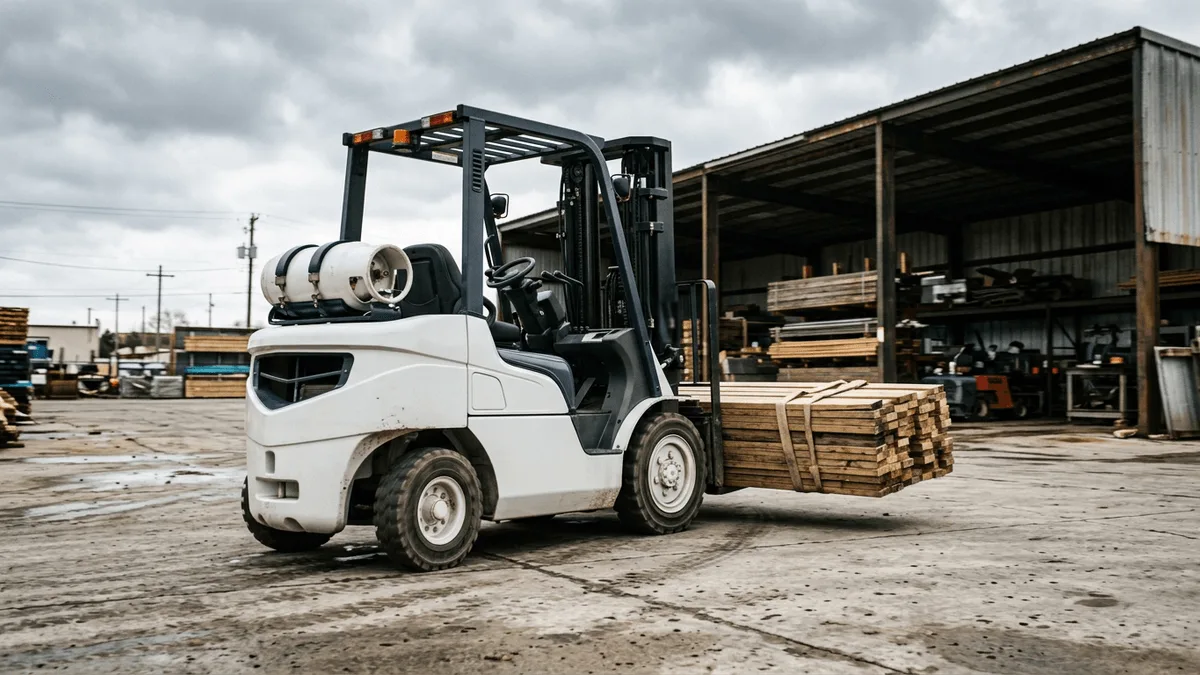
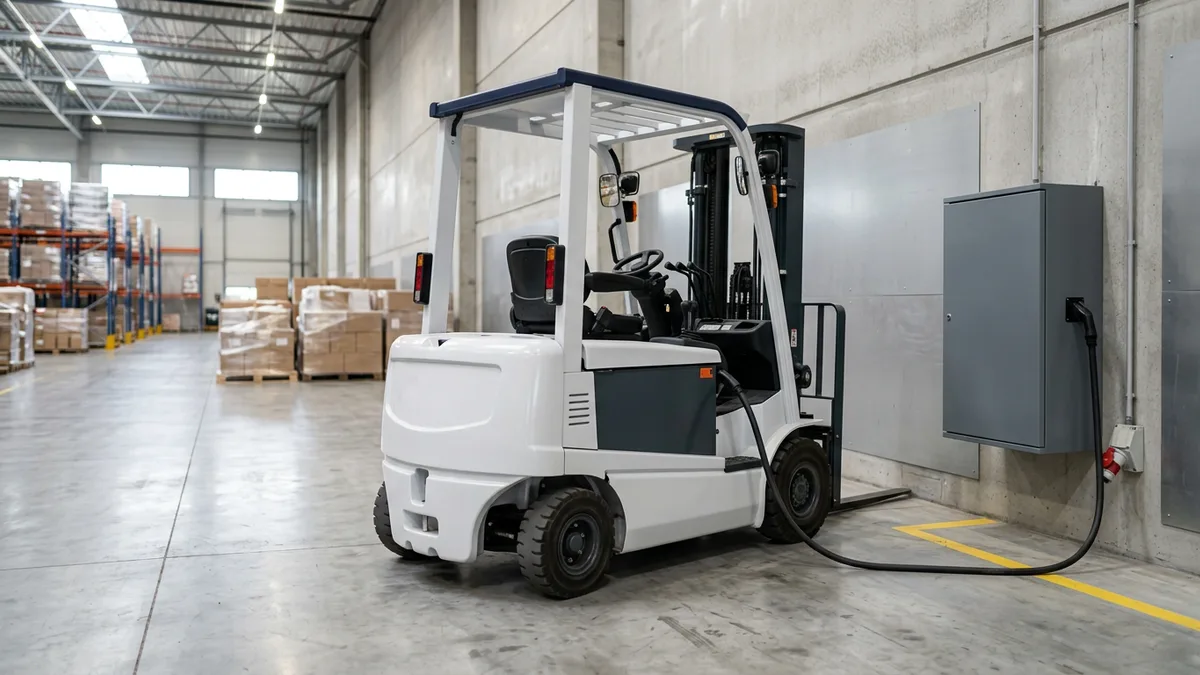
Electric trucks add a second wear item to the lease, the battery. The Raymond Corporation puts typical lead-acid life at around 1,500 cycles and says most lithium-ion batteries offer at least 3,000, while heavy fast charging can cut a five-year lead-acid warranty’s service life to as few as two years.
Shifts matter too. Toyota Material Handling says one lithium-ion battery can take the place of three lead-acid batteries in multi-shift use. Settle these before you sign.
One duty stays put. OSHA’s powered industrial truck standard, 29 CFR 1910.178, says the employer shall ensure that each operator is competent to operate the truck. OSHA’s training guidance asks for an evaluation at least once every three years. The standard doesn’t mention leased trucks, so ask the lessor what the lease says about inspections and servicing.
Forklifts that get leased
What businesses ask before leasing a forklift
Is it better to lease or buy a forklift?
The better question is how many hours the truck will run and what it will be worth afterward.
A truck that works two shifts for a decade points toward buying it, or toward a $1 buyout lease. A truck you’d replace before the repair bills climb points toward a true lease. Depreciation is a tax question. Our guide to leasing versus buying equipment lays out the full trade.
What happens at the end of a forklift lease?
Short answer: you return the truck, renew the lease, or buy it under the purchase option written into the agreement.
A fair market value lease prices that purchase at what the truck is worth when the term ends, while a $1 buyout lease is built so the business keeps it for a token amount. Return condition and freight sit in the contract too. Read them early. Our end-of-lease options guide covers all four endings.
How does forklift lease to own work?
A forklift lease to own is usually a $1 buyout lease: the business pays through the term, pays a token amount at the end, and keeps the truck.
The law looks at substance, not the label. Under UCC section 1-203, a lease the business can’t cancel becomes a purchase with a lien when it carries an option to own for no additional consideration or a nominal amount. The buyout clause tells you which one you’re signing.
Does a forklift lease have an hour limit?
Some do, because a forklift runs by the hour: a lease can set a number of hours for the term, and running past it can cost extra.
Hyster says a mid-lease review compares actual run time with the hours allowed and can restructure the lease when the real hours and the contract’s hours drift apart over a long term. Ask for the allowance, the price of an extra hour and whether a review is in the contract.
Who is responsible for the battery on a leased electric forklift?
The lease decides, so read the maintenance and return clauses for the battery by name.
Toyota Material Handling notes that maintenance isn’t always included in a lease. Ask who replaces a battery that wears out mid-term and whether battery condition counts as wear at return. Lead-acid and lithium-ion batteries wear on different cycles, so the answer can differ from one truck to the next.
How is leasing a forklift different from renting one?
Two things set them apart: how long you’re committed and what happens at the end.
A rental is meant to be short and flexible, while a lease commits the business to a fixed term with an end-of-term option. A rental purchase option turns rent you’ve already paid toward buying the truck, which our rent-to-own heavy equipment guide explains.
Talk through a forklift lease before you sign
Leave your details and a Paramount Financial specialist will call to talk through the trucks, the hours and the structure. Prefer the application? Start the credit application.