
Last updated: November 26, 2026
Seasonal Business Loans: Working Capital for Uneven Revenue
What to borrow for before the season, and when it gets paid back.

Seasonal business loans are working capital for a company’s stock, crew and other costs ahead of its busy months, repaid as that season’s sales are collected.
Sources read on November 26, 2026: SBA’s lender page and SOP 50 10, the USDA Farm Service Agency, the Federal Reserve Banks’ 2025 small business survey and monthly job counts from the Bureau of Labor Statistics.
For the wider picture, start with working capital financing. Rates and amounts are the lender’s call, so they aren’t on this page.
What seasonal business loans pay for
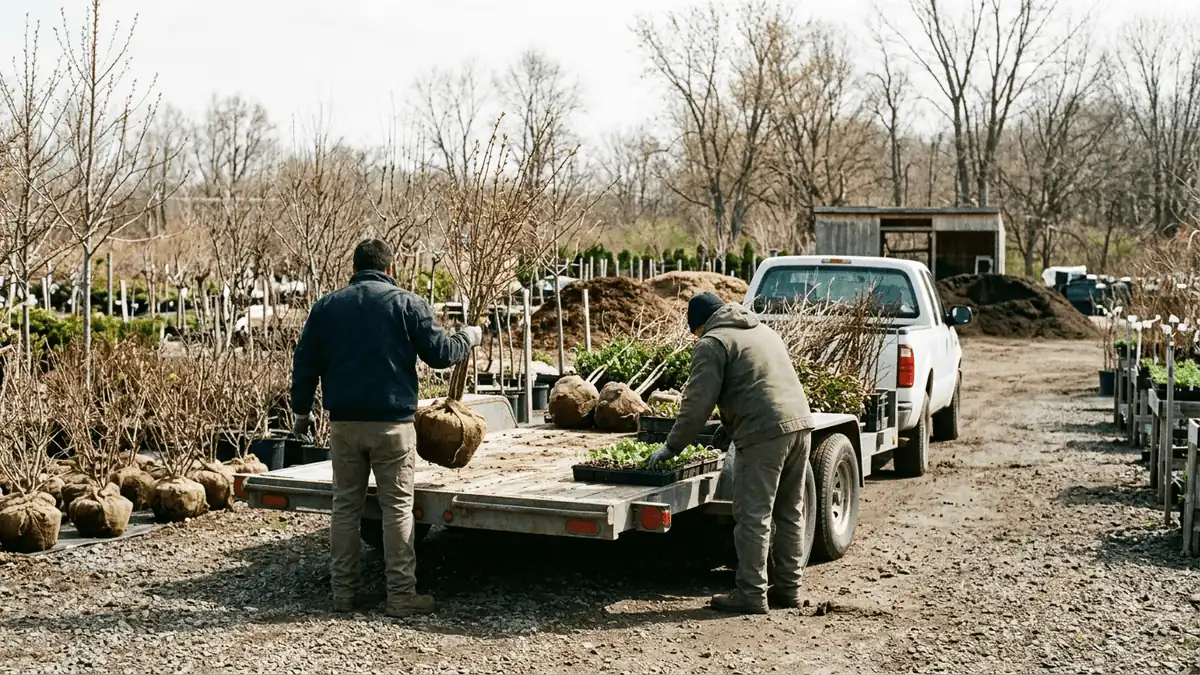
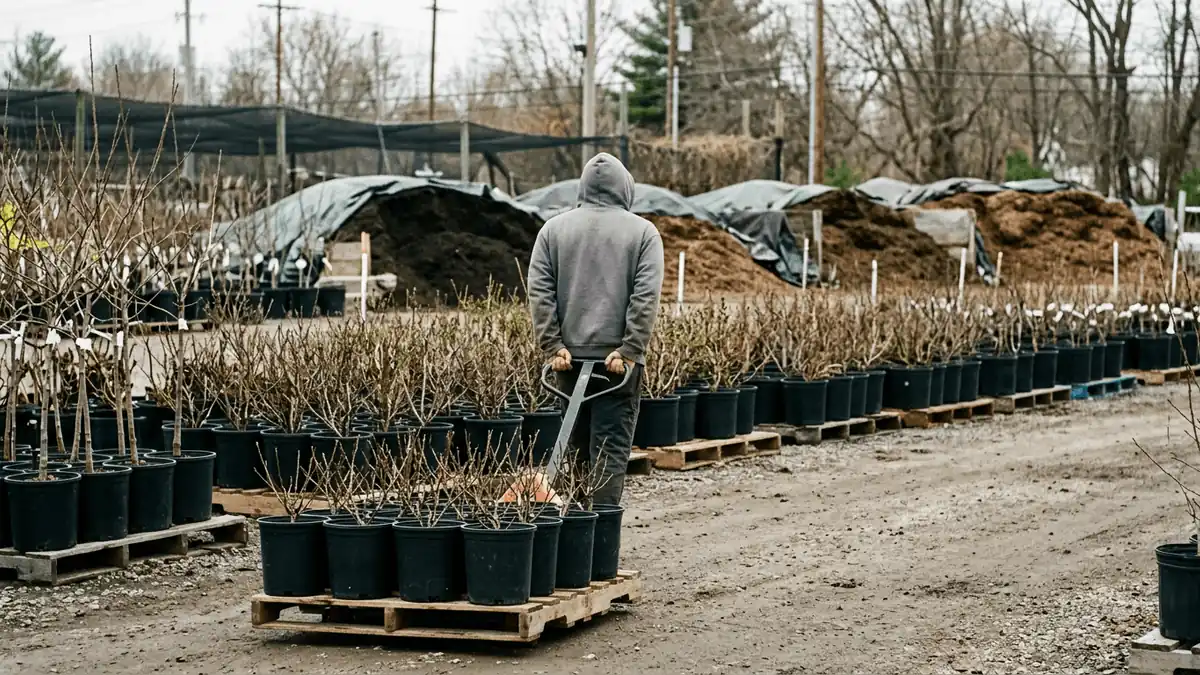
In common use, a seasonal loan is not one fixed product. The term covers working capital drawn ahead of a company’s busy period for inventory, seasonal hires and equipment preparation, with repayment coming out of the receivables and cash sales of that same period.
Build-up costs and slow-month bills
What SBA’s seasonal line covers
SBA does run a seasonal program, though. Its lender page describes CAPLines as an umbrella program for short-term and cyclical working capital, and lists a Seasonal CAPLine that finances seasonal increases of accounts receivable and inventory, or in some cases increased labor costs.
The lender, not SBA, makes the credit call on it. Our page on SBA working capital loans and CAPLines sets the other lines beside this one.
Seasonal business loans and lines, compared
Four options come up for seasonal costs. The table sets out what each one usually funds, how its repayment runs and the main limit an owner would want to know about before choosing it.
| Option | What it usually funds | How repayment runs | Watch for |
|---|---|---|---|
| Business line of credit | Stock, payroll and bills as they arrive. | Pay down as sales land, then draw again if the line allows. | A balance that never comes back to zero. |
| Short-term business loan | One build-up with a known price. | A fixed schedule from the start. | Payments that run on into the quiet months. |
| SBA Seasonal CAPLine | Seasonal receivables and inventory, sometimes labor. | As cash from seasonal sales arrives. | No funding for slow-period operations. |
| FSA operating loan | Farm costs such as seed, feed, fuel and chemicals. | Terms vary with the loan’s purpose. | It’s for farms and ranches only. |
Seasonal working capital: when to apply
Generally, before the slow period. Bank statements dated during or just after a busy season record higher deposits, whereas an application filed in late winter by a lawn care company will usually put its three lowest months in front of the lender first.
Count back from the first big bill
Uneven cash flow is common
In the Federal Reserve Banks’ 2025 Small Business Credit Survey, half of small employer firms named uneven cash flow as a financial challenge in the prior twelve months, and the survey counts collecting on receivables inside that figure.
Wondering what goes in the file? Read what lenders review on a working capital loan.


Farms, landscapers, snow removal and pool builders
Four trades, four calendars.
Farms and ranches
Landscaping and lawn care
Snow removal
Pool builders
Three industries, three very different years
Monthly jobs, 2025. Not seasonally adjusted. Bars start at zero.
Landscaping services
1.3×
July over January
756,000 in January. 1,014,200 in July.
Source: BLS CEU6056173001
Skiing facilities
4.4×
January over May
92,000 in January. 21,000 in May.
Source: BLS CEU7071392001
RV parks and camps
3.0×
July over January
48,200 in January. 144,300 in July.
Source: BLS CEU7072120001
BLS counts jobs, not sales. These are national totals for three industries, so any one company’s 2025 may have swung more, or less, than its whole industry’s bars suggest.
Four things to settle before you borrow
What seasonal owners ask before borrowing
How is a seasonal business loan different from a regular one?
Timing, mainly: seasonal borrowing is drawn before a known busy period and scheduled to be repaid from that period’s collections. Application documents can be the same as for other working capital, for example bank statements, tax returns and a debt schedule.
When should a seasonal business apply?
Before the build-up, in most cases, while the latest bank statements still include busy-season deposits. A February application from a Midwest landscaper, for instance, would show December and January first.
Can a newer business borrow for a season?
Short answer: under SBA’s seasonal line, only after twelve calendar months in operation. SOP 50 10 also requires a definite pattern of seasonal activity, and lenders outside that program publish their own requirements.
Can I get working capital during the slow season?
An application can be filed in any month, but a slow-season file leans on the prior year’s monthly record. SBA’s Seasonal CAPLine can’t fund it: SOP 50 10 bars using the line to maintain activity during slow periods.
How does a lender read a business with seasonal revenue?
Month by month in most cases, since an annual total hides the troughs. For a Seasonal CAPLine, SBA’s procedures call for month-by-month history of the need and a projection of cash flow for each of the next twelve months.
Is a line of credit or a lump-sum loan better for seasonal costs?
Weekly plant or parts deliveries usually point to a line of credit, while one fixed-price pre-season order, such as bulk salt, points to a term loan. The business line of credit page explains draws and repayment.
Plan the season before it starts
Bring your busy months, your slow months and the purchase you’re planning. Use the form below, or apply online.