
Last updated: November 28, 2026
Fire Truck Financing for Private Fire Services, Industrial Brigades and Wildland Contractors
The NFPA, NWCG, OSHA and Forest Service rules behind a private apparatus purchase.
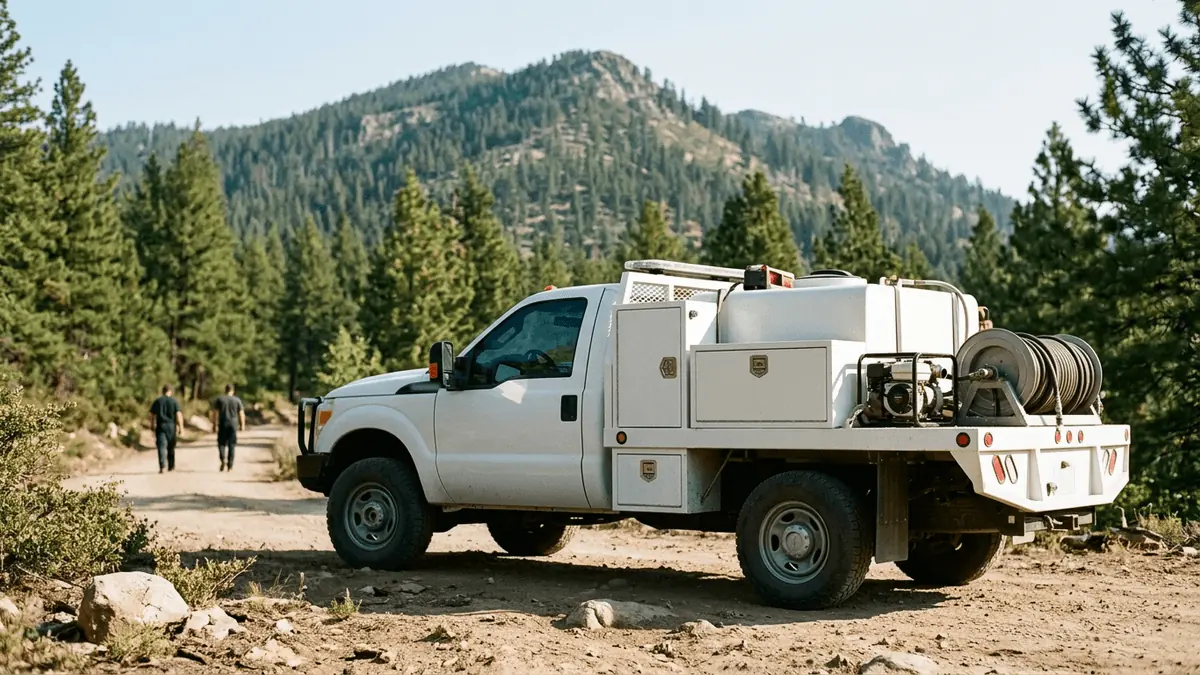
Fire truck financing is a loan, equipment finance agreement or lease that spreads an apparatus purchase over time for a private fire company, industrial brigade or wildland contractor, usually with the truck as collateral.
The United States Fire Administration’s registry summary for January 2024 places contract fire departments and private or industrial brigades in a 4 percent group that also holds tribal, state, federal and airport departments.
Other trades are covered in equipment financing by industry. Titles and upfits are covered in commercial vehicle financing.
Fire apparatus financing starts with who you are
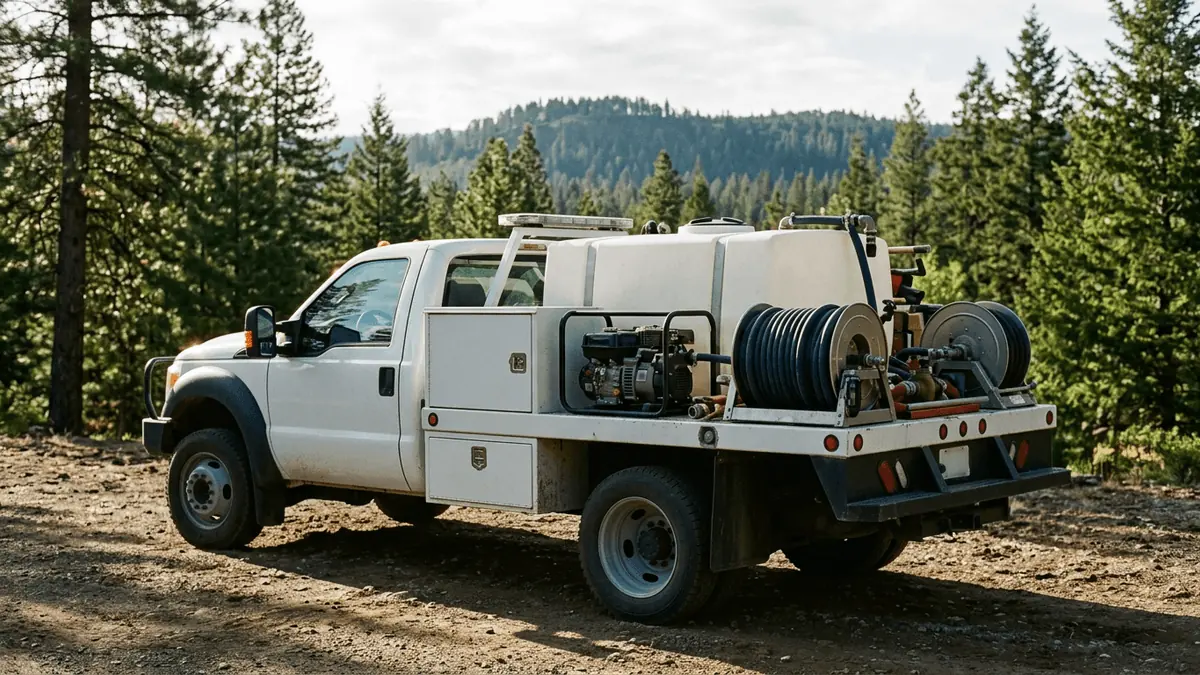
Fire apparatus covers pumpers, aerials, wildland engines and water tenders. NFPA 1900 applies to apparatus contracted from January 1, 2024. Fire Apparatus magazine reported in December 2023 that it combines NFPA 1901 (automotive), NFPA 1906 (wildland), NFPA 414 and NFPA 1917.
Three buyers, three rulebooks. OSHA covers the brigade, NWCG types the wildland engine, and the Forest Service sets terms for hired contractors. Services that also run transport units can read ambulance financing.
The engine type sets tank, pump and weight
PMS 200 lists tank and pump minimums for engine Types 1 to 7, and Types 3 to 7 are the wildland types. Solicitation 1202SB25Q7003, the Forest Service’s 2025 East Zone water-handling document, adds tank maximums and, for Types 5 and 6, a maximum gross vehicle weight rating.
| Engine | Tank, gallons | Pump, gpm at psi | Max rating, pounds |
|---|---|---|---|
| Type 3 | 500 to 1,500 | 150 at 250 | None listed |
| Type 4 | 750 to 1,500 | 50 at 100 | None listed |
| Type 5 | 400 to 749 | 50 at 100 | 26,000 |
| Type 6 | 150 to 399 | 50 at 100 | 19,500 |
Sources: NWCG PMS 200 (minimums) and Forest Service solicitation 1202SB25Q7003, 2025 (maximums).
Check the door plate. Solicitation 1202SB25Q7003 bars an engine or tender from exceeding its gross vehicle or axle weight ratings when fully loaded and equipped, so water, hose, tools and crew all count. A crane raises the same question, covered under service truck financing.
The agreement calendar comes before the truck
The Forest Service administers preseason incident blanket purchase agreements through VIPR, its Virtual Incident Procurement system. The dates below come from solicitation 1202SB25Q7003, issued February 19, 2025. Dates first.
Annual review
Usually January to March
Demand expected
Highest from March to October
Mid-season changes
Not standard practice, March to September
Terms vary by region and resource category. Ask the contracting officer. Thinning and fuels work is covered under forestry equipment financing.
Used fire truck financing starts with records
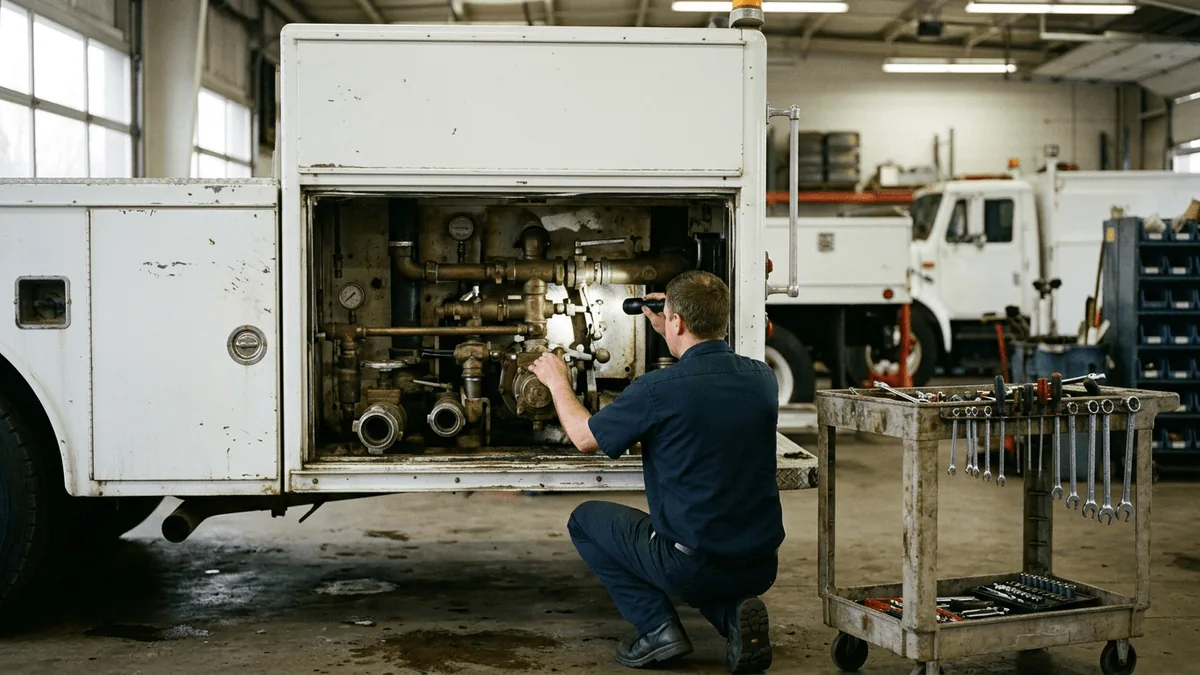
A Fire Apparatus magazine review of NFPA 1911 states that inspection, maintenance and test records must accompany each vehicle for its life, even after the vehicle is sold to another department or agency. NFPA 1910:2024 now carries the retirement and out-of-service chapters of 1911.
Records come first. Other checks on a second-hand machine are covered in used equipment financing.
Brigade pumpers, water tenders and the OSHA line
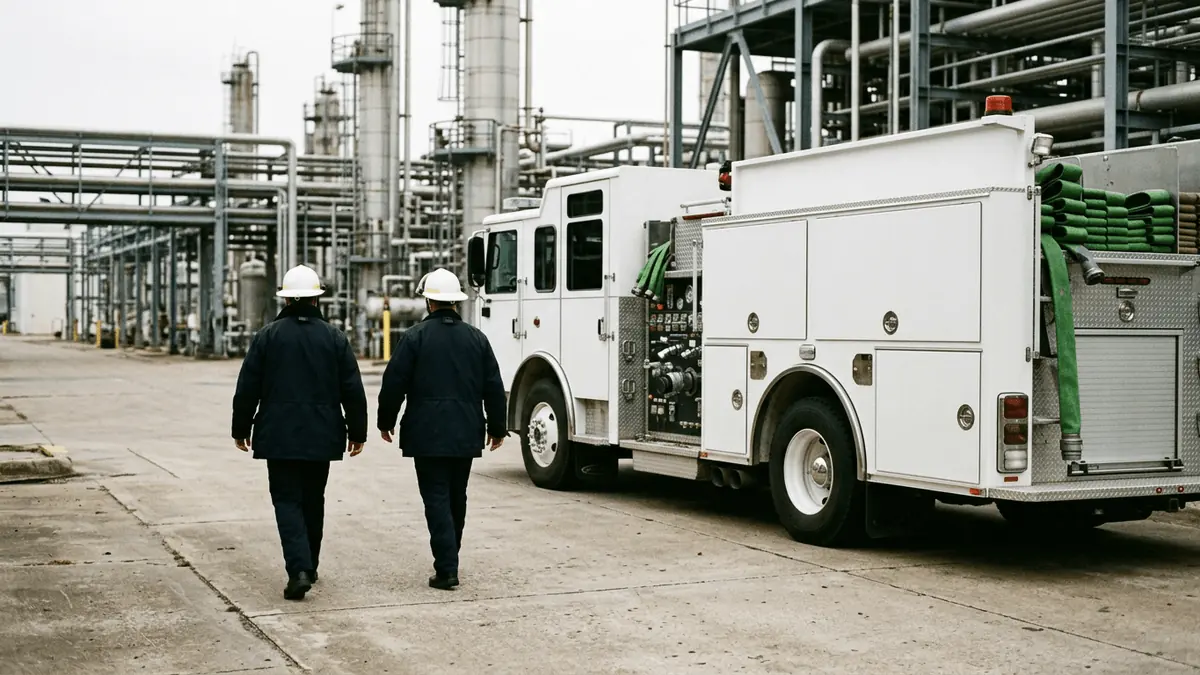
29 CFR 1910.156(a)(2) covers fire brigades, industrial fire departments and private or contractual type fire departments, and the same paragraph expressly excludes airport crash rescue and forest fire fighting operations.
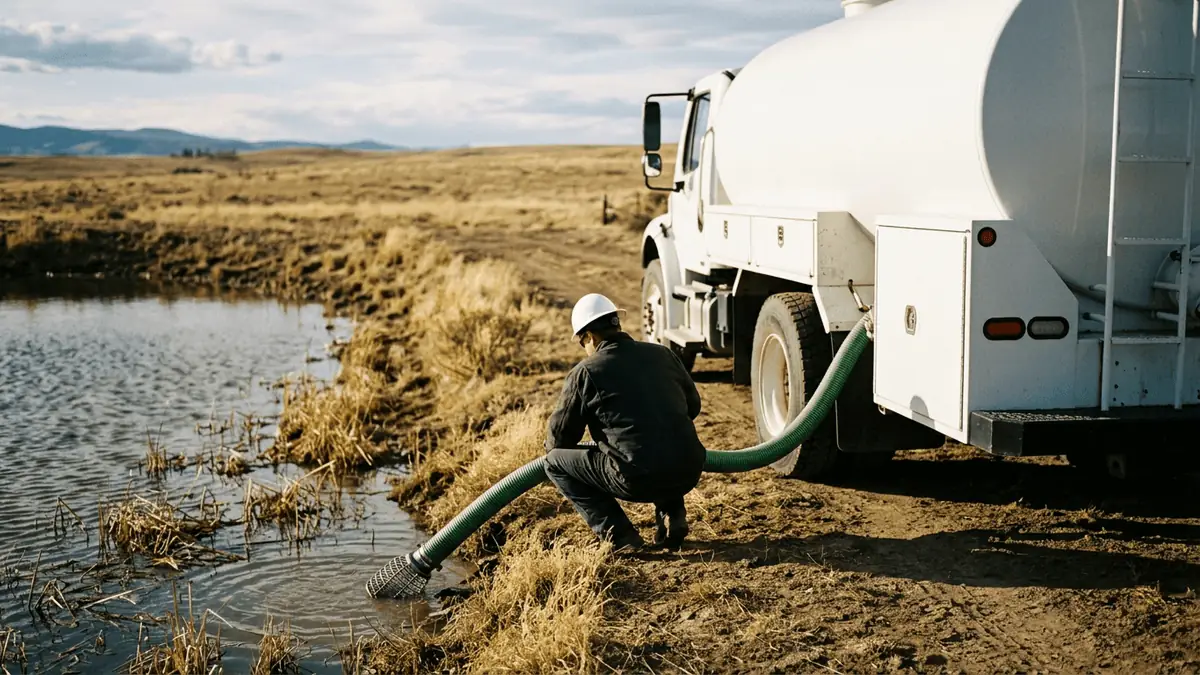
Water tenders are typed separately. PMS 200 sets support tender minimums of 4,000 gallons for Type 1, 2,500 for Type 2 and 1,000 for Type 3. Every tender drafts from a 10-foot lift. For hauling rigs, our water truck cost guide shows dated dealer prices.
What goes in the file, by buyer
| Buyer | Paper on the truck | Paper on the work |
|---|---|---|
| Private or contract fire service | Quote or title, VIN, build standard, pump and aerial tests | Service contracts, subscription roll and the area covered |
| Industrial brigade | Build spec, pump and foam ratings, the site served | The employer’s written brigade statement and operating history |
| Wildland contractor | NWCG type, tank size, door plate rating, current inspection | Federal or state agreements, past resource orders, other revenue |
Numbers on the public record
27,166
Fire departments in the national registry, contract and industrial ones included
19,500
Pounds of weight rating a hired Type 6 engine may not pass
Three ways to hold the truck
What private fire operators ask before buying
Can a private company finance a fire truck?
Titled fire apparatus can serve as collateral, with the lender’s lien noted on the certificate of title under UCC section 9-311. The file adds the build standard, test records and service contracts.
Should a private fire service lease or buy an engine?
Ownership length usually decides it. A loan, equipment finance agreement or $1 buyout lease keeps the truck with the business. A fair market value lease ends with a return, renew or buy choice. Consult your tax advisor.
Can you finance a used wildland engine?
Used engine files start with records. Gather the latest pump test, the weight verification, the door plate rating and a title whose VIN matches the chassis. Paint comes last.
Will a new truck go straight onto my VIPR agreement?
Not automatically, because under solicitation 1202SB25Q7003 an annual review will not add a new resource unless the contracting officer has initiated an open season. The government does not promise that any open season will happen.
Can a new wildland contractor finance a first engine?
A newer contractor’s file leans on fire experience, the specific truck and the work already scheduled, and because the 2025 East Zone solicitation guarantees no orders, any other revenue the business earns belongs in the file too.
Does a private fire truck need a CDL driver?
Under 49 CFR 383.91, a single vehicle rated 26,001 pounds or more falls in CDL Group B, although section 383.3(d)(2) lets a State exempt certain firefighters driving in their home State. Fire trucks on emergency work also fall outside the federal motor carrier rules. Ask your State.
What does a lender ask to see for a fire truck?
Expect requests for the quote or bill of sale, the VIN, the build spec, the test records and some proof of work, whether that is a service contract, a brigade program or an incident agreement.
Pricing an engine or a tender?
Send your name and number, and a Paramount Financial specialist will call about the engine or tender on your list. Prefer the application? Start the credit application.