
Last updated: November 27, 2026
Greenhouse Equipment Financing for Nurseries and Commercial Growers
Heat, air, water and benches for growers, and the point where a house turns into real estate.
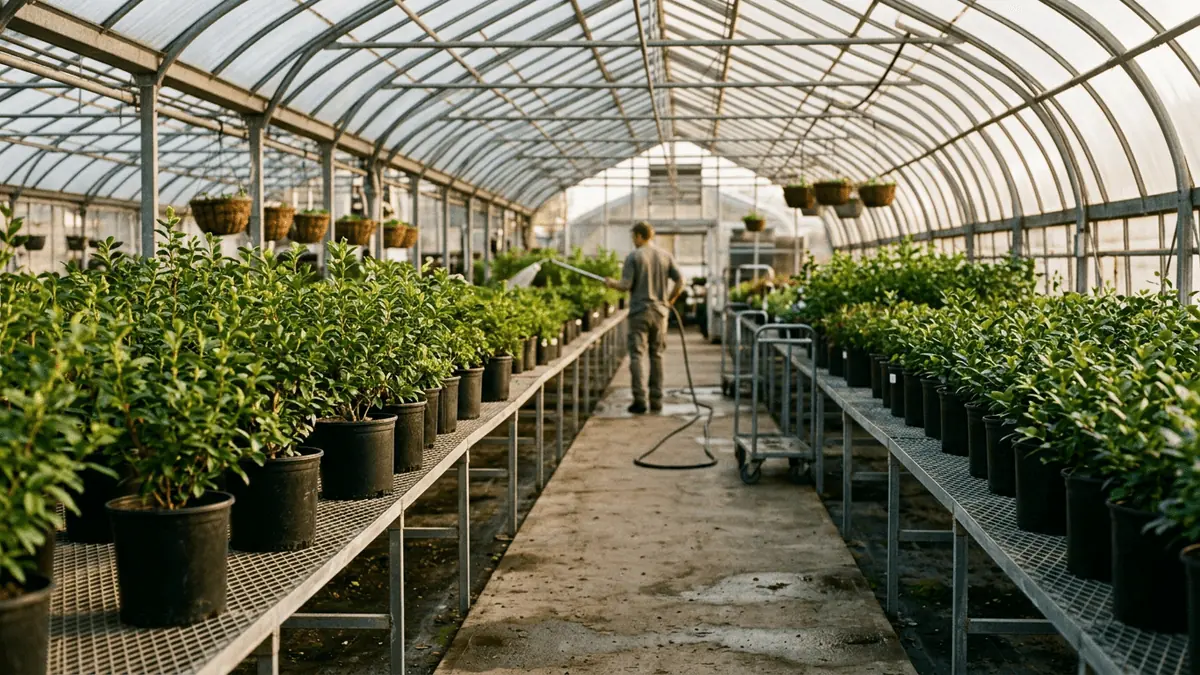
With greenhouse financing, a grower pays over time for the structure, boiler, fans, benches and irrigation, using a loan, equipment finance agreement or lease. A permanent glass house on owned land can count as real estate.
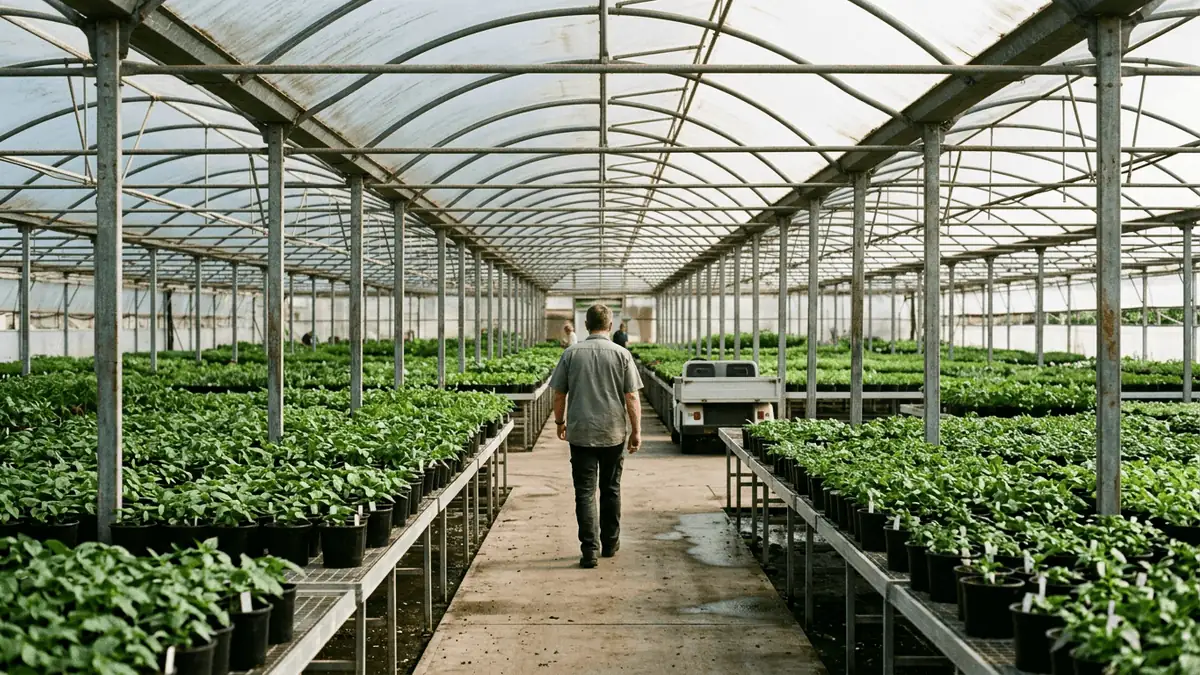
In 2024, USDA counted 15,005 horticulture operations with greenhouses, from wholesale nurseries to vegetable houses. Each runs on the same stuff. Steel, film, pipes, motors.
For field machines, see our farm equipment financing guide. Paramount Financial offers true equipment leases, including operating leases, not only loans.
What a greenhouse financing quote should list
Get line items. When a dealer writes one price for a “complete greenhouse,” nobody reading it later can tell which parts are bolted to the ground.
Per UMass Extension’s building guide, summer ventilation runs about 8 cubic feet of air a minute for each square foot of floor, against about 2 in winter, so a 10,000 square foot house needs close to 80,000 cubic feet a minute of fan capacity in July.
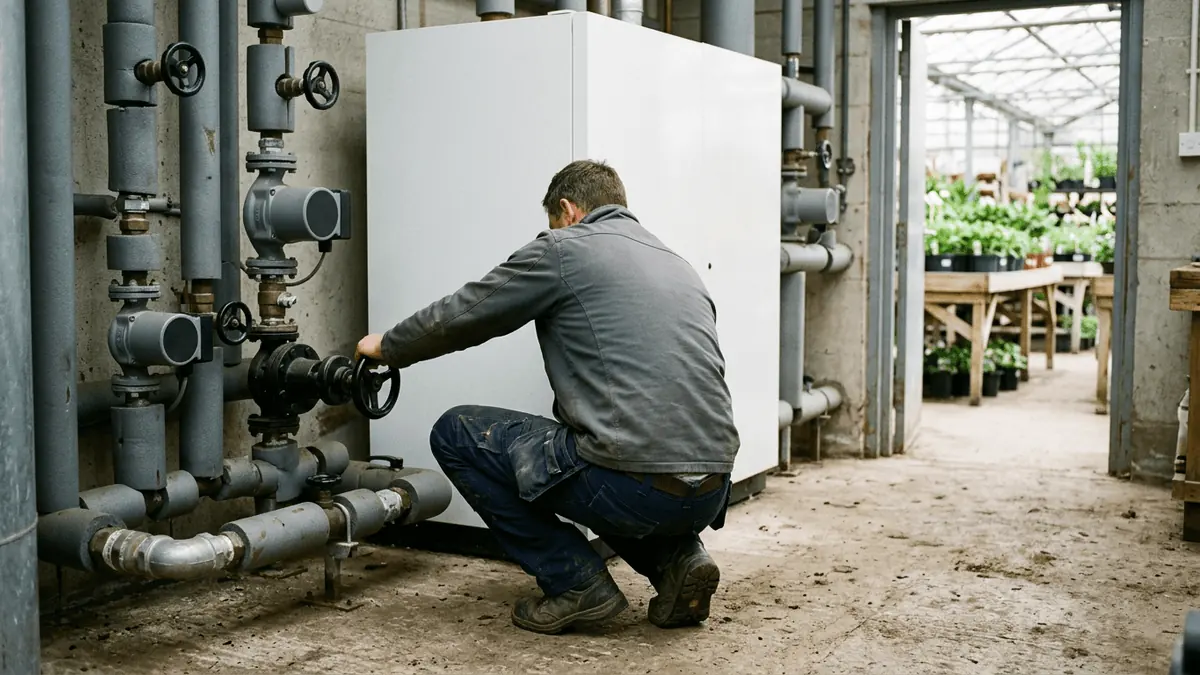
UMass names a hot water boiler as the best heat source, with unit heaters a good choice where a house shuts down for winter and its water system would otherwise need draining. Zones matter. Quote each one.
Equipment, fixture or building?
Boilers and benches are equipment you can unbolt. A fixture is goods tied to particular land. A building is what your code office and assessor see. One greenhouse can be all three at once, which is why the tax rules, the lien rules and the permit rules each need their own look before you sign.
| Rulebook | What it asks | Why a grower cares |
|---|---|---|
| Federal tax | Is it a single-purpose horticultural structure? | The class decides how the cost is depreciated |
| Lien law | Has it become a fixture under UCC Article 9? | A mortgage holder or landlord may have a say |
| Building code | Is the house for production or for retail? | Retail space can face stricter rules |
The tax reading
IRS Publication 225 (2025) treats a greenhouse specifically designed, constructed and used for commercial plant production as a single-purpose horticultural structure, and it lists that structure as section 179 property. Selling plants inside it ends that status.
Under 26 U.S.C. section 168, work space qualifies only for tending plants, keeping up the structure and maintaining its equipment. No checkout counter. Consult your tax advisor. Our guide to how leased equipment is taxed covers the lease side.
The lien reading
UCC section 9-102 defines fixtures as goods so related to particular real property that an interest in them arises under real property law, and section 9-334 ranks the competing claims. Our UCC filing guide shows how a lien goes on record.
Leased ground? Section 9-334 gives weight to a landlord’s signed consent or disclaimer. Get it early. Before the boiler.
The permit counter
Permits are local. UMass Extension’s permit guide reports that Massachusetts law asks no permit for a plastic-film greenhouse put to ordinary use, that the International Building Code puts retail greenhouses under mercantile rules, and that permit copies reach the assessor.
Which part of the greenhouse wears out first?
Compare any proposed term with these four figures. One scale. Marks every five.
How long the covering lasts
How long tax rules spread the structure’s cost
UMass puts double poly film at 4 years and corrugated polycarbonate at 20, so a film house on a long schedule can need a new skin before the final payment is made. Budget it separately.
UMass also notes that structured sheet glazing insulates better at a higher first cost, and calls wide-pane glass preferred for winter light. Depreciation system? Consult your tax advisor.
Sources: covering life from UMass Extension. Recovery periods for single-purpose horticultural structures from IRS Publication 225 (2025), Table 7-1.
Greenhouse financing for new bays, used houses and hoop houses
UMass puts gutter-connected bays at 12 to 30 feet wide with 10 to 16 feet under the gutter, and at 10,000 square feet or more, it reports, central heating can cost as much as 25% less than heating equal free-standing area.
Checks on a used greenhouse
Takedown is labor. So is rebuilding. Our used equipment financing page covers what gets read on older gear.
Hoop houses and USDA cost-share
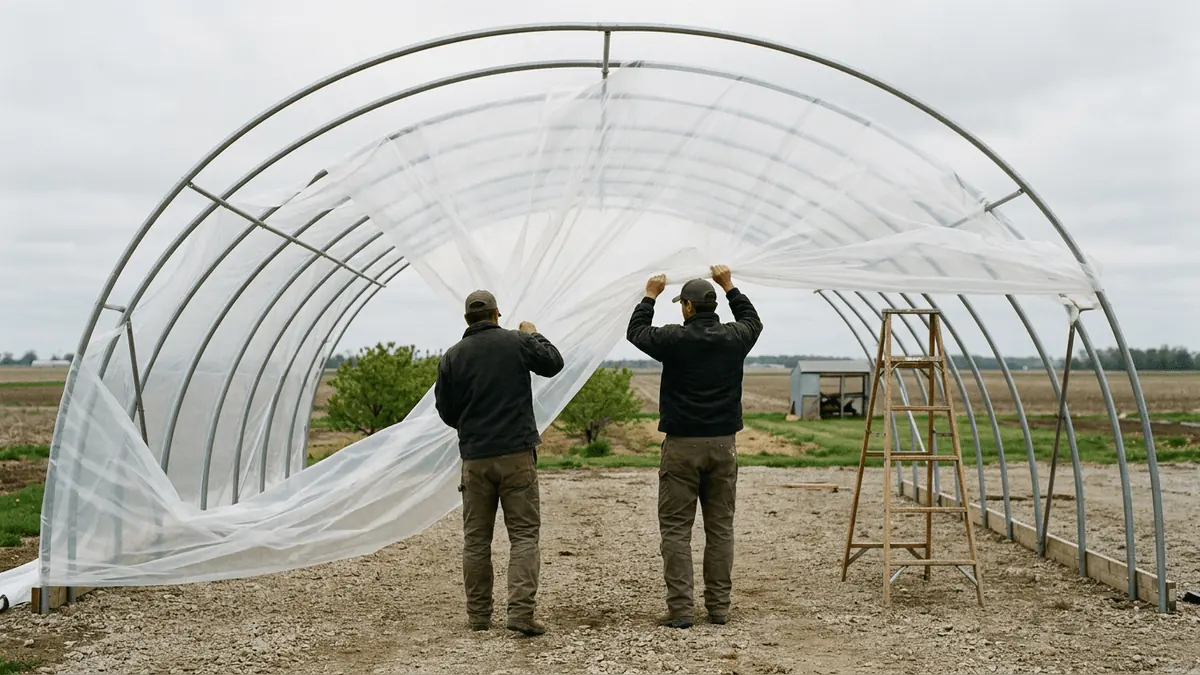
NRCS helps pay for high tunnels through EQIP. Indiana’s January 2024 requirements limit it to crops in the natural soil profile or raised beds up to 12 inches high, which excludes tables, benches, portable pots and hydroponics, and they add that a high tunnel isn’t a greenhouse.
Cash timing counts. Where sales cluster in spring, test the payment against the slowest month and read our seasonal business loans page.
American greenhouses, counted in 2024
From USDA’s horticulture census, which covers operations that grew and sold horticultural crops that year.
Film dominates. Glass covers about 114 million square feet, so most of the country’s greenhouse space wears a skin that someone will eventually pull off and replace.
Four ways to structure greenhouse equipment
Lease terms for field equipment appear in our farm equipment leasing guide. Compact tractor? See tractor financing. Pallets and soil totes? See forklift financing.
What growers ask before they finance a greenhouse
Can you finance a greenhouse like farm equipment?
Short answer, boilers, benches and booms usually read as machinery, while the house itself turns on its design and the land. A permanent glass house on owned land can be real estate.
Is a greenhouse a building or equipment for taxes?
IRS Publication 225 for 2025 calls a greenhouse built and used only to grow plants commercially a single-purpose horticultural structure. Retail sales inside it change that. Consult your tax advisor.
Do I need a permit for a commercial greenhouse?
Call the building official first. Enforcement differs by town, and UMass reports that some inspectors want an engineer’s seal. Zoning may want a plot plan.
Will USDA help pay for a hoop house?
NRCS offers EQIP assistance for high tunnels, with requirements set state by state. Indiana, for one, requires crops in the natural soil or low raised beds. Your local service center has your state’s version.
Can a used greenhouse be financed?
Expect questions about the maker, size, age, frame condition and seller, so photograph the bows and posts, keep the bill of sale and list takedown, freight and rebuilding apart from the structure itself.
What changes the cost of financing a greenhouse?
Four inputs drive it: the agreement’s structure, the term, the type and age of what’s financed, and your business’s record. Compare totals, because equal monthly figures can hide unequal ones.
Planning a new bay or a whole range?
Tell us what’s going up and what goes inside it, or start the credit application.